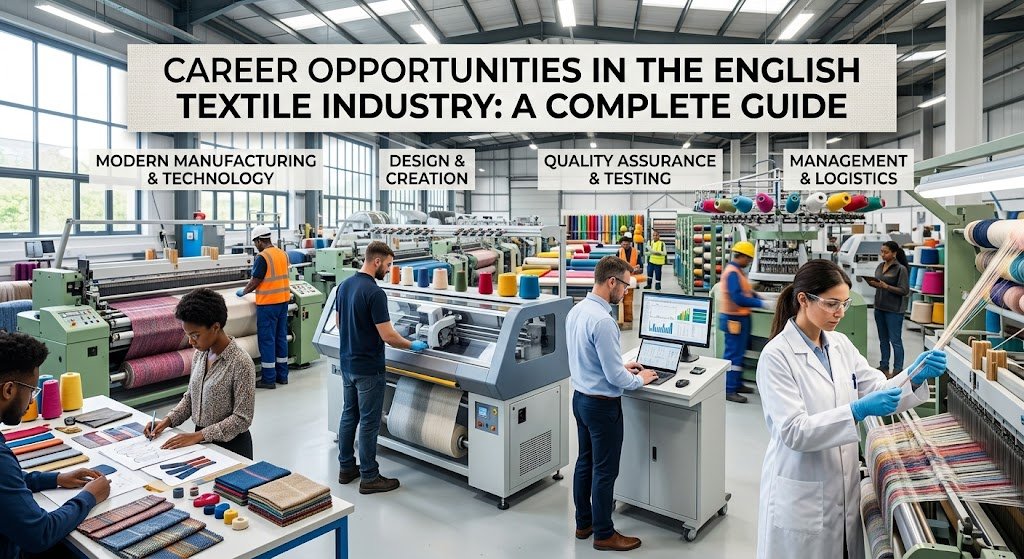
The textile sector remains a cornerstone of England’s economic landscape. Renowned for producing some of the world’s most iconic fabrics and premium goods, this thriving industry employs hundreds of thousands of skilled workers. For those seeking long-term career growth, innovation, and stability, England’s textile market offers a wealth of diverse opportunities.
Understanding the Core Sectors of England’s Textile Market
The textile manufacturing ecosystem is vast and dynamic. To better understand where your skills might fit, the industry can be broadly categorized into three major segments:
- Apparel and Fashion: The largest sector by volume, focusing on the design and production of everyday clothing, high-street fashion, footwear, and luxury accessories.
- Technical and Industrial Textiles: A highly specialized field dedicated to engineering high-performance materials. This includes industrial fabrics, automotive interiors, aerospace components, and advanced medical supplies.
- Home and Interior Textiles: This sector revolves around consumer goods and interior design, producing items such as premium bedding, upholstery, curtains, carpets, and towels.
Why Choose a Career in the UK Textile Sector?
Working within this historic yet modern industry comes with a variety of unique professional advantages:
- Mentorship from Industry Leaders: Gain hands-on experience and learn cutting-edge techniques from world-class experts and master craftsmen.
- Commitment to Quality: Engage with high-end, sustainable, and premium projects that emphasize innovation and craftsmanship.
- Global Exposure: With English brands commanding a massive international presence, many roles offer opportunities for global collaboration and travel.
Competitive Salaries and Market Growth
Driven by a resurgence in local manufacturing and the global demand for sustainable luxury, England’s textile industry is experiencing a significant boom. Major international heritage brands and innovative startups alike are constantly expanding their operations.
To attract top talent, employers offer highly competitive salaries, robust benefit packages, and clear pathways for rapid career advancement.
Key Qualifications and Skills Required
To build a successful career in this competitive field, candidates should possess a blend of technical knowledge and soft skills:
- Manufacturing Knowledge: A solid foundational understanding of fabric production, weaving, knitting, or garment construction processes.
- Strong Communication: The ability to collaborate effectively with cross-functional teams, international suppliers, and high-profile clients.
- Digital Proficiency: Competency in modern textile design software (such as CAD programs) and digital production tools is highly valued.
How to Apply for Textile Jobs in England
If you are ready to take the next step in your career, there are several effective strategies to secure a role:
- Online Job Portals: Utilize major employment platforms like Indeed, Monster, and LinkedIn to search for active vacancies using targeted keywords.
- Industry Associations: Check local chambers of commerce and UK trade associations (like the UK Fashion & Textile Association) for exclusive industry listings.
- Direct Networking: Identify companies that align with your career goals and reach out to their human resources departments directly with a tailored CV.